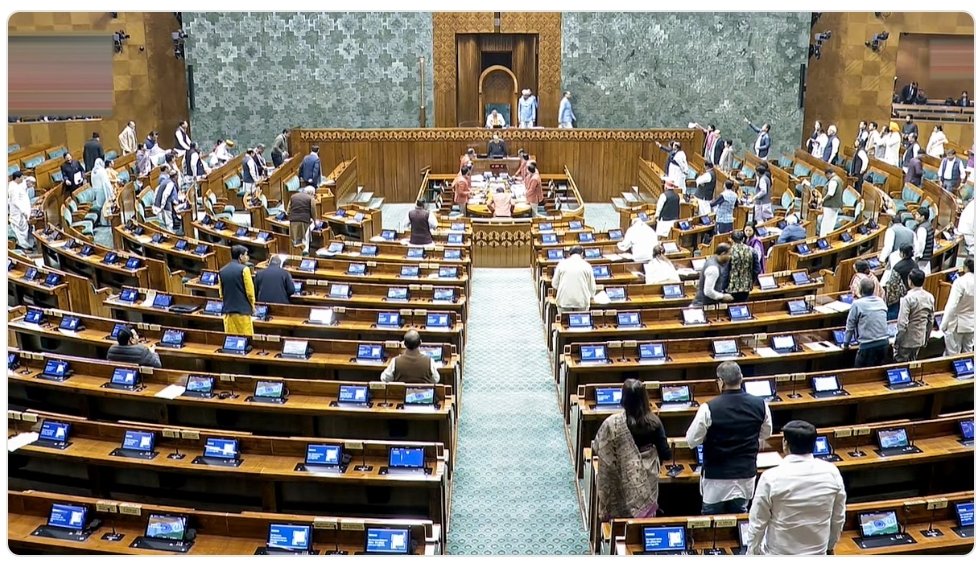
Parliament's Winter session is likely to begin in early December with the government pushing the pending amendments. The legislation requires opposition support to expand the Lok Sabha and implement women's reservations.
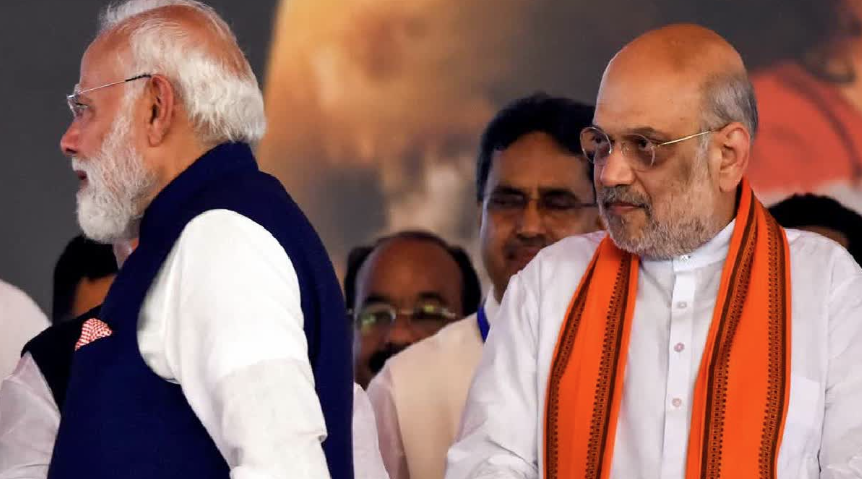
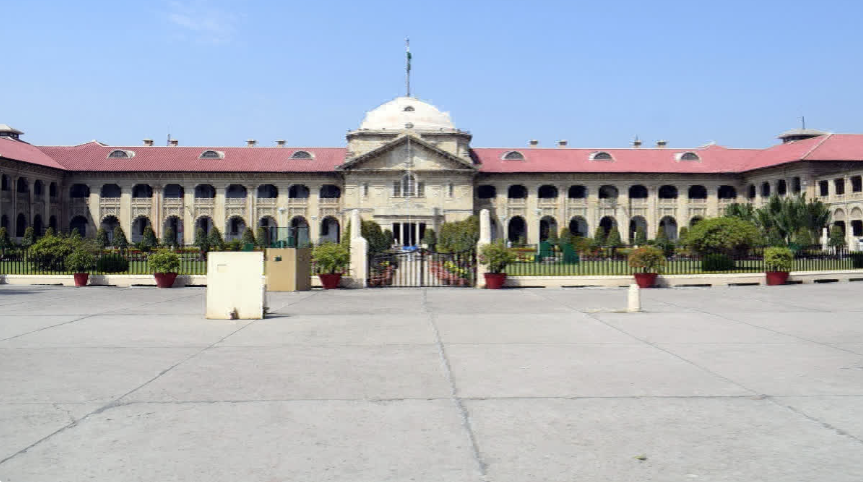
Parliament's Winter session is likely to begin in the first week of December, with the government expected to push a proposed Constitution amendment linked to women's reservation, news agency Press Trust of India (PTI) reported.
Sources familiar with the discussions told PTI that the first week of December had emerged as the likely period for the session, with possible dates discussed at the highest levels of the government.
However, the government will need opposition support to secure the two-thirds majority required to pass the Constitution amendment.
GOVERNMENT NEEDS OPPOSITION SUPPORT TO PASS BILL
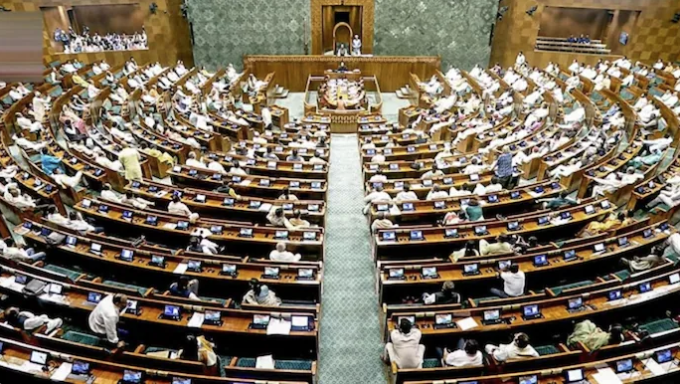
The proposed amendment requires at least 361 votes in the 543-member Lok Sabha. With three vacancies, the House currently has 540 members. The ruling National Democratic Alliance (NDA) has 320 members and will need the support of opposition parties to cross the required threshold.
Despite the numbers, the government appears confident of passing the legislation. A senior government functionary told PTI on Thursday that the bill was expected to be cleared with a margin of 15 to 18 votes.
However, securing support could prove challenging amid growing political tensions over the Special Intensive Revision (SIR) of electoral rolls. Opposition parties have stepped up their campaign against the exercise and are demanding the resignation of Chief Election Commissioner Gyanesh Kumar.
The issue is expected to feature prominently during the Winter session, potentially affecting the functioning of both Houses. An MP from the ruling alliance told PTI that a debate and vote on a Constitution amendment bill would not be possible unless Parliament functioned in an orderly manner.
WOMEN'S RESERVATION BILL IN FOCUS
The proposed Constitution amendment is aimed at paving the way for implementing 33 per cent reservation for women in Parliament and state legislatures before the 2029 general election.
The legislation failed to secure the required support during a special sitting of Parliament on April 17. Its prospects during the Winter session will depend on the government's ability to secure opposition votes.
The government will also have to navigate political differences over the proposed changes and build consensus to ensure the legislation can be taken up and passed.
MONSOON SESSION REMAINS UNPROROGUED
Speculation over the timing of the next sitting has also grown because the government has not formally prorogued the Monsoon session. The session was adjourned sine die on August 13 and has remained unprorogued for 94 days, exceeding the previous record of 87 days set in 2008.
This has kept open the possibility of extending the existing session or convening a special sitting to consider the proposed amendment at short notice. Extending the current session requires at least two days' notice, while a fresh session requires a minimum notice of 14 days.
The Constitution does not prescribe a specific deadline for proroguing a House after it has been adjourned sine die.
- Ends